
Written by Social Edge Ambassador: Ishita Singh
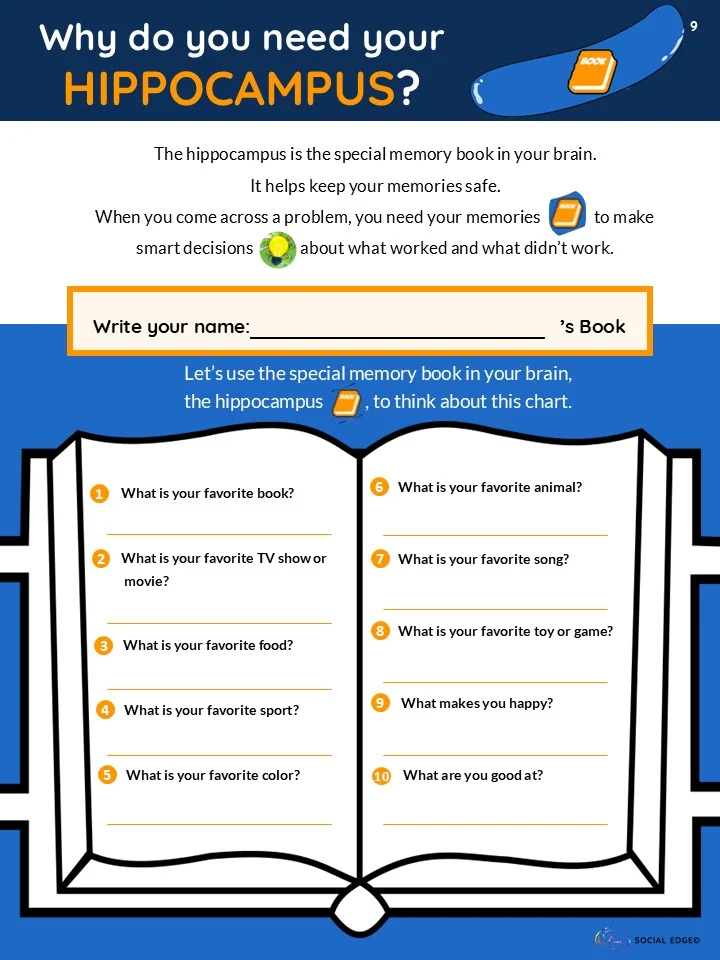
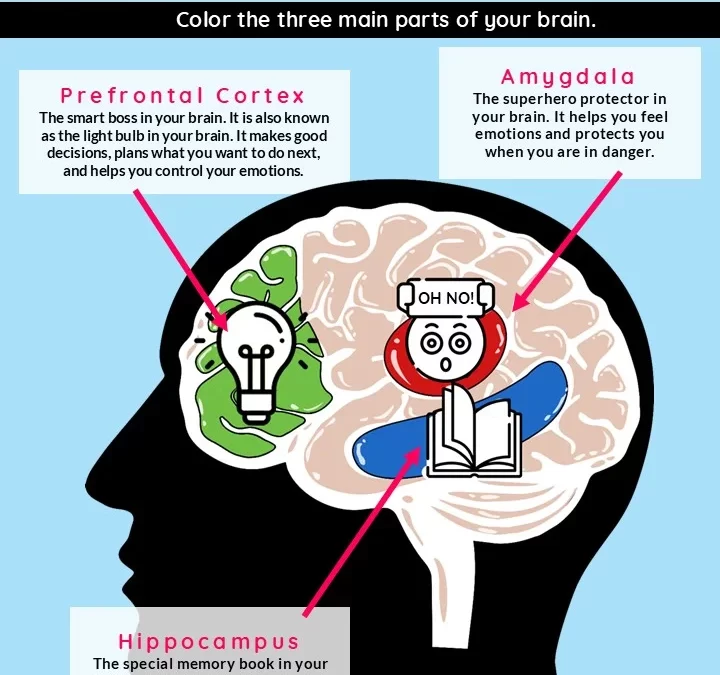
Have you ever thought about how you can remember your birthday or what you ate for dinner last night? That’s thanks to a special part of your brain called the hippocampus. This seahorse-shaped structure sits near the center of your brain and plays a big role in storing memories, learning new things, and helping you manage your emotions.
Memories and Learning
The hippocampus is like your brain’s memory organizer. It helps turn short-term memories—like what you just learned in class—into long-term ones you can remember later. For example, your first time riding a bike is a memory your hippocampus helps store for the long haul.
It also connects different parts of the brain—like sights, sounds, emotions, and facts—to form one complete memory. Without the hippocampus, we’d have a hard time remembering what we did earlier today or learning something new. Whether you’re studying for a test or practicing a new dance move, your hippocampus is hard at work organizing and storing that information.
Hippocampus & Amygdala – A Team Effort
The hippocampus also works closely with another part of the brain called the amygdala. The amygdala helps us recognize danger and triggers emotional reactions like fear or anger. It acts fast—sometimes even before we understand what’s happening.
That’s where the hippocampus steps in. It helps figure out whether the situation is really dangerous. For example, if you hear a loud bang, your amygdala might panic. But your hippocampus helps calm things down by thinking, “It’s just something that fell. You’re safe.” This teamwork helps us stay calm and respond wisely instead of overreacting.
The Amygdala Hijack
Sometimes, the amygdala reacts so fast that it takes over before the hippocampus can step in. This is called an amygdala hijack—when we feel strong emotions like fear, anger, or embarrassment and react quickly without thinking. We might yell, run away, or freeze up.
During an amygdala hijack, your brain floods your body with stress chemicals like cortisol and adrenaline, making it harder for the hippocampus to do its job. You may struggle to think clearly, make good decisions, or even remember what’s happening. This is why it’s important to have tools that help us calm down—so the hippocampus can reset and help us respond thoughtfully.
What To Do During an Amygdala Hijack
Here are four simple ways to calm your brain and body when emotions feel too big:
- Take deep breaths – Slow breathing helps lower your heart rate and gives your brain space to think.
- Pause before reacting – Take a moment. Count to 10 or walk away for a few seconds.
- Name the feeling – Say how you feel out loud (like “I’m really frustrated right now”). This helps move your brain from reacting to understanding.
- Talk to someone you trust – Sharing your feelings with a friend, teacher, or adult can help you feel better and find a solution.
Conclusion
Even though it’s small, the hippocampus plays a powerful role in how we remember, learn, and handle emotions. When emotions take over, like during an amygdala hijack, it’s easy to lose control or focus. But understanding how our brain works—and using calming strategies—helps us handle challenges better. When we take care of our brains, we not only help ourselves but also become better at supporting others, too.