
by Social Edge Ambassador: Ishita Singh
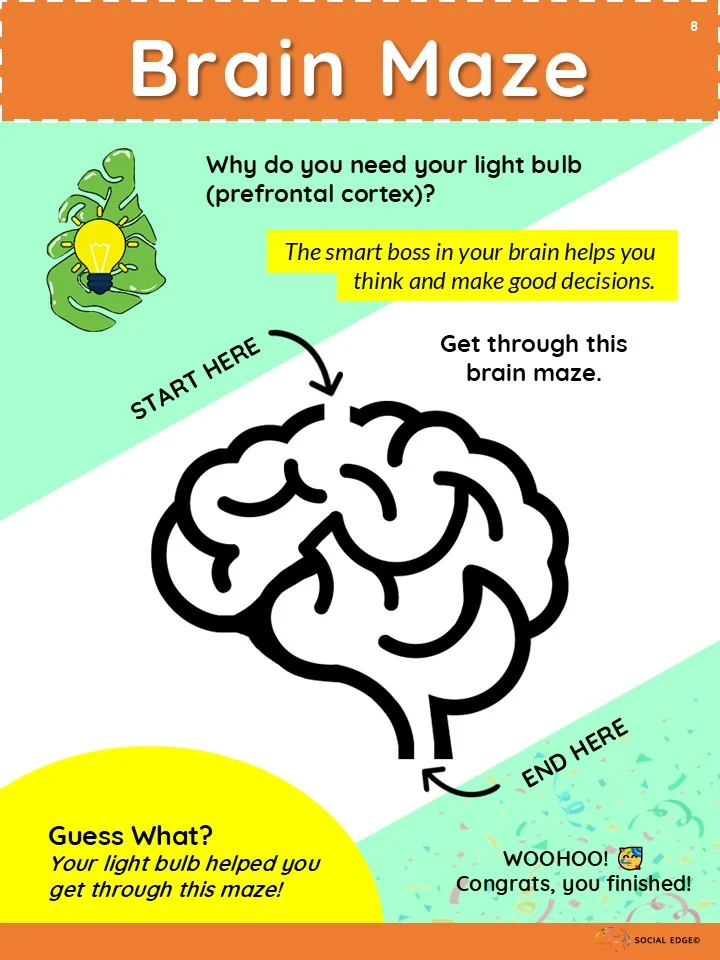
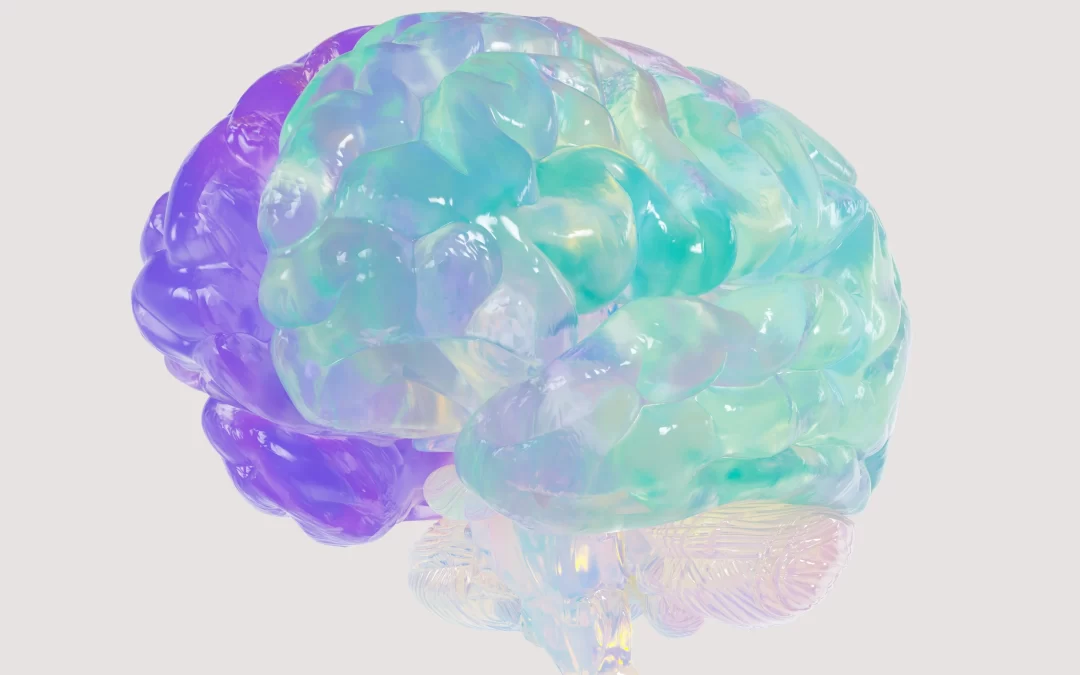
Have you ever had to stop yourself from shouting when angry—or remind yourself to wait your turn? That’s your prefrontal cortex at work! This part of your brain, often called the “control center,” helps you think before you act. It’s in charge of planning, making decisions, staying focused, managing your behavior, and handling emotions. Basically, it helps you pause, think things through, and respond in a smart way instead of just reacting.
What Does the Prefrontal Cortex Do?
The prefrontal cortex sits at the front part of your brain and is part of the frontal lobe, the largest section of the brain. It controls what scientists call executive functions, which are the skills we use to:
- Solve problems
- Make plans
- Stay focused
- Control impulses (like blurting out or acting without thinking)
- Manage time
- Understand consequences
- Regulate emotions
In simple terms, it’s the part that says, “Hold on—let’s think before we do this.” It helps you stay calm when you’re mad, wait your turn, or consider how someone else might feel in a situation.
Emotions and the Prefrontal Cortex
While the prefrontal cortex is great at thinking logically and planning ahead, it also helps with emotional regulation—working alongside the amygdala, which is responsible for quick emotional reactions like fear and anger.
Let’s say someone cuts in front of you in line. Your amygdala might make you instantly angry. But then your prefrontal cortex jumps in and says, “Maybe they didn’t notice me. No big deal.” That second voice helps you stay calm and choose a better response. When everything is working well, your brain can balance big feelings with clear thinking.
What Is an Amygdala Hijack?
Sometimes, though, the amygdala takes over before your prefrontal cortex has a chance to step in. This is called an amygdala hijack—a moment when strong emotions like fear, panic, or anger take control, and your thinking brain temporarily shuts down.
When this happens, your body gets flooded with stress chemicals like adrenaline and cortisol. That makes it harder for your prefrontal cortex to work. You might yell, cry, freeze, or say something you regret—not because you wanted to, but because your thinking brain got “hijacked.”
Thousands of years ago, this response helped humans survive real dangers, like wild animals. But today, most of our stress comes from things like school pressure or social problems—not life-or-death situations. Still, our brains react the same way.
To help your prefrontal cortex come back online, you can:
- Take deep breaths
- Drink some water
- Step away for a moment
- Notice what’s around you
These calming strategies give your brain a chance to reset and respond in a healthier way.
Why It’s Harder for Kids and Teens
Here’s something important: the prefrontal cortex doesn’t fully develop until around age 25. That means children and teens are still building the skills it controls—like staying focused, managing emotions, and making smart choices.
So, if it feels hard to stay calm or think things through sometimes, that’s normal! You’re still growing these abilities. Every time you take a breath instead of yelling, wait your turn, or work through a problem, you’re strengthening your prefrontal cortex.
You can help it grow even stronger by:
- Getting enough sleep
- Eating healthy foods
- Moving your body
- Doing activities that require focus (like reading, drawing, or doing puzzles)
Just like muscles grow when you exercise them, your brain gets better with practice.
Conclusion:
The prefrontal cortex helps you become a more thoughtful, patient, and emotionally strong person. It plays a big role in your daily life—helping you make wise decisions, stay calm under stress, and treat others with empathy. When you understand how this part of your brain works and how to take care of it, you’re better able to handle challenges and become your best self.