
by Social Edge Ambassador: Ishita Singh
What is Parkinson’s Law
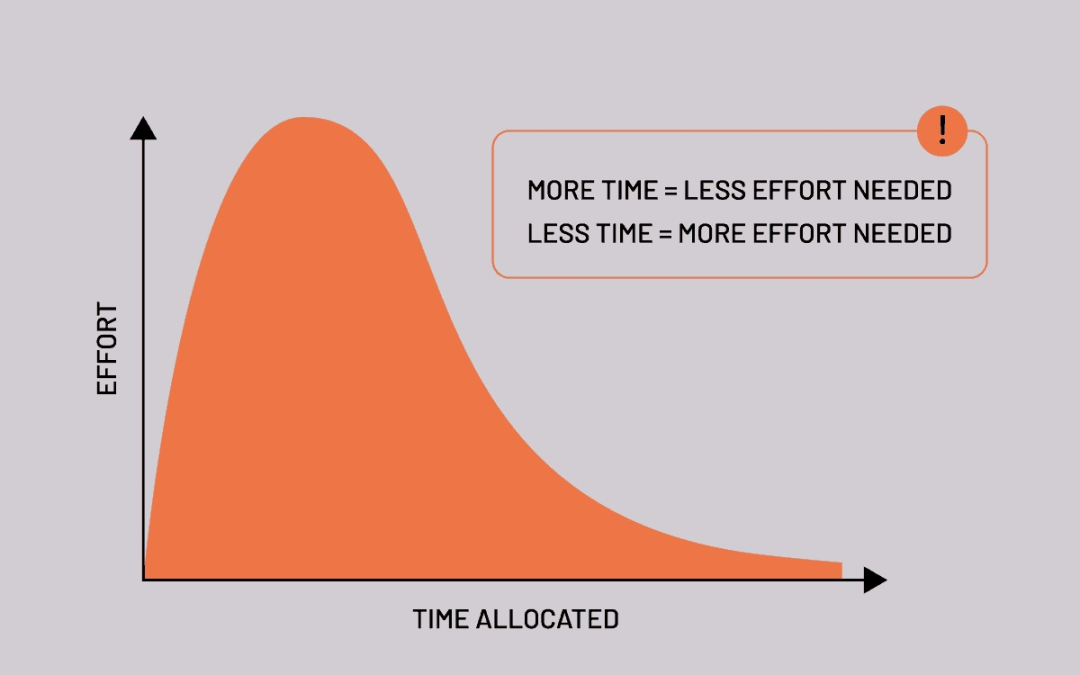
Parkinson’s Law says that work expands to fill the time you give it. In other words, if you allow a week to do something you could finish in two hours, you’ll probably take the whole week—and stress yourself out in the process.
The term was coined by British naval historian Cyril Northcote Parkinson, who noticed that bureaucracies kept expanding regardless of how much work there actually was.
The same principle applies to schoolwork—especially for high school students who often have multiple responsibilities.
How to Use Parkinson’s Law to Your Advantage
- Set shorter deadlines: If you have a week for an essay, aim to finish in three days.
- Use timers: Try the Pomodoro Method—work for 25 minutes, then take a 5-minute break.
- Limit distractions: A tight deadline makes it easier to ignore phone pings and social media.
- Add accountability: Tell a friend or family member your mini-deadlines so they can check in.
A Real-Life Example
Alex had two weeks for a science project. He kept saying “I’ll start tomorrow,” and before he knew it, a week had passed. He rushed at the last minute and turned in work that was just “okay.”
If Alex had applied Parkinson’s Law, he might have set smaller deadlines: research done in 3 days, outline by day 5, draft by day 8, and final by day 10. Finishing early would have reduced his stress and improved the quality of his project.
Why It Matters for High School Students
Between classes, homework, sports, friends, and maybe a job, it’s easy to put things off when a deadline feels far away. But the more time you give a task, the more time it eats up—often with more stress and less focus. Tight deadlines and smaller chunks help you stay on track and produce better results.
Try This Challenge
Pick one assignment this week and cut your usual work time in half. If you usually spend two hours on math homework, give yourself just one. At first, it might feel stressful, but you’ll probably focus better, avoid distractions, and finish faster. Over time, you’ll build stronger habits and have more control over your schedule.
Final Takeaway
Time isn’t just something to fill—it’s something to manage. By setting earlier deadlines and breaking projects into smaller pieces, you can outsmart procrastination and get your best work done with less stress.